
 Tiếng Việt
Forex Trading Strategy
Forex Trading Strategy is a structured plan that helps traders define entry, exit, and risk management rules. It allows you to trade consistently and avoid emotional decisions in the market.
Proven trading methods in Forex include strategies like trend following, scalping, and breakout trading, each designed for different market conditions. Choosing the right method helps traders optimize performance and control risk.
Applying Forex trading strategies effectively means combining strategy with discipline and proper risk management. This helps traders improve consistency and achieve long-term trading results.
Forex trading strategies play a crucial role in helping traders build clear trading plans, control risk, and improve performance in the Forex market. In the following sections, you will explore trading methods proven by XM and how to apply them effectively to achieve consistent results.
Forex Trading Strategy Basics
A Forex Trading Strategy is a structured plan that guides when to enter, manage, and exit trades. Without a clear strategy, trading becomes random and driven by emotions, often leading to inconsistent results.
A well-defined strategy helps traders stay disciplined, manage risk, and make decisions based on logic rather than impulse. Whether you are a beginner or an experienced trader, understanding the fundamentals is essential before applying advanced techniques.
What Defines a Forex Trading Strategy
A forex trading strategy is defined by a set of rules that determine how trades are executed. These rules are based on technical analysis, price action, or a combination of both.
Key elements include:
- Entry conditions (when to open a trade)
- Exit conditions (when to close a trade)
- Risk management rules
- Market conditions where the strategy performs best
By following a structured approach, traders can avoid emotional decisions and maintain consistency.
Key Components of a Successful Trading Plan
A successful trading plan includes several critical components:
- Clear objectives: Define your profit goals and risk tolerance
- Risk management: Limit losses using stop-loss and position sizing
- Consistency: Apply the same rules across all trades
- Performance tracking: Review past trades to improve
These components work together to create a stable framework. Once the basics are in place, traders can explore proven methods used by professionals.
Proven Forex Trading Methods Used by Professional Traders
Professional traders rely on tested strategies that have been refined over time. These methods are designed to adapt to different market conditions and provide consistent results.
Among the most popular approaches are trend-following and breakout strategies. Each method has its strengths and is suitable for specific trading environments.
Trend-Following Strategy and How It Works
Trend-following is one of the most widely used forex trading strategies. The idea is simple: trade in the direction of the market trend.
In an uptrend, traders look for buying opportunities. In a downtrend, they focus on selling.
Common tools used in this strategy include:
- Moving averages
- Trendlines
- Support and resistance levels
Trend-following works best in strong, directional markets. However, it may struggle in sideways conditions, which is why traders often combine it with other methods.
Breakout Trading Strategy for Volatile Markets
Breakout trading focuses on entering the market when price breaks through key levels of support or resistance.
This strategy is especially effective during periods of high volatility, where strong price movements occur.
Key characteristics of breakout trading:
- Identifying consolidation zones
- Entering trades after a confirmed breakout
- Using stop-loss orders to manage risk
Breakout strategies can generate quick profits but also carry higher risk. Therefore, proper confirmation and risk management are essential.
With these methods in mind, the next step is learning how to apply them effectively.
How to Apply Forex Trading Strategies for Effective Trading Results
Having a strategy is not enough—knowing how to apply it correctly is what determines success. Effective trading requires aligning your strategy with your personal style and market conditions.
How to Choose the Right Strategy for Your Trading Style
Choosing the right strategy depends on several factors:
- Trading experience: Beginners may prefer simple strategies
- Time availability: Scalping requires constant monitoring, while swing trading does not
- Risk tolerance: Some strategies involve higher risk than others
For example:
- Scalpers focus on short-term price movements
- Swing traders hold positions for days
- Position traders follow long-term trends
Selecting a strategy that matches your lifestyle and personality increases your chances of success.
Combining Indicators with Trading Strategies
Indicators play an important role in confirming trading signals. Instead of relying on a single indicator, traders often combine multiple tools.
A common combination includes:
- Moving averages for trend direction
- RSI for momentum
- Bollinger Bands for volatility
This approach improves accuracy and reduces false signals. However, simplicity is important—using too many indicators can lead to confusion.
Once you have applied a strategy, continuous improvement becomes the key to long-term success.
How to Practice and Improve Your Forex Trading Strategy
No trading strategy works perfectly in all market conditions. Continuous testing and refinement are essential to maintain performance.
Backtesting and Demo Trading for Strategy Validation
Backtesting involves testing your strategy using historical data to evaluate its effectiveness. This helps identify strengths and weaknesses before risking real money.
Demo trading allows you to:
- Practice in real-time market conditions
- Test different strategies without risk
- Build confidence before trading live
These methods are essential for developing a reliable trading system.
Adapting Strategies to Changing Market Conditions
Forex markets are constantly changing, influenced by economic events and market sentiment. A strategy that works today may not work tomorrow.
To stay effective, traders should:
- Monitor market conditions regularly
- Adjust strategies when needed
- Avoid sticking to outdated methods
Flexibility and continuous learning are key traits of successful traders.
Explore More Forex Trading Strategies for Better Results
Forex Trading Strategy is not limited to a single method. To achieve consistent results, traders need to explore different strategies, test them in real conditions, and continuously refine their approach.
In this category, you will find detailed guides on trading strategies, scalping, swing trading, and techniques. Each method is designed to help you improve accuracy, manage risk, and adapt to changing market conditions.
Start exploring more XM Guide content to build a stronger trading system and enhance your long-term performance.

Inside Bars: Price Action, Breakout Zones and Trade Execution
Inside Bars are price action patterns where the current candle is fully contained within the...

Breakout Trading: Types, Strategies, How to Trade, Indicators Confirmation
Breakout trading is a strategy that enters the market when price breaks key support or...
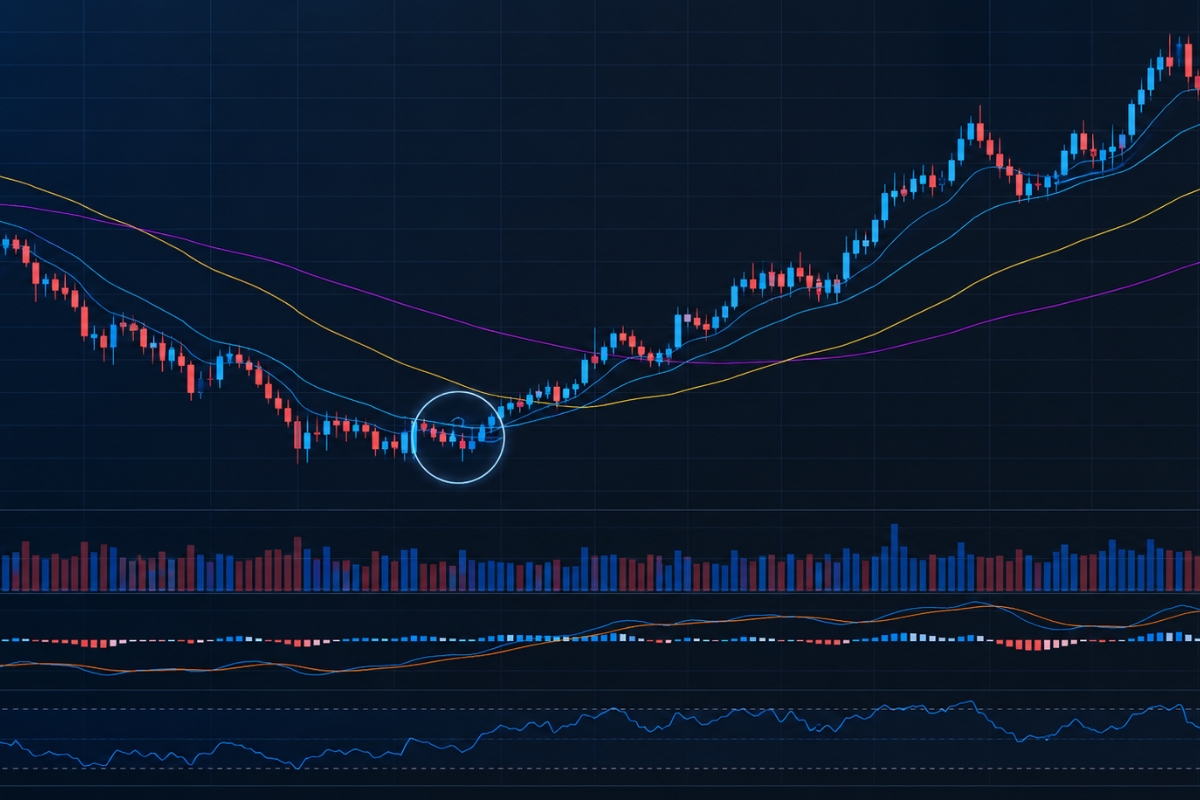
Moving Averages: Method, Crossovers, Strategy, Market Trends
Moving averages are indicators of smooth price data to identify market trends, allowing traders to...

Slippage XM: Execution, Price Difference, Requotes, Trading Impact
Slippage XM is the difference between the expected price and the actual execution price, occurring...

XM Market Hours: Sessions, Trading Time, Official Forex Trading Hours
XM market hours run 24 hours/day from Monday to Friday, allowing continuous forex trading based...
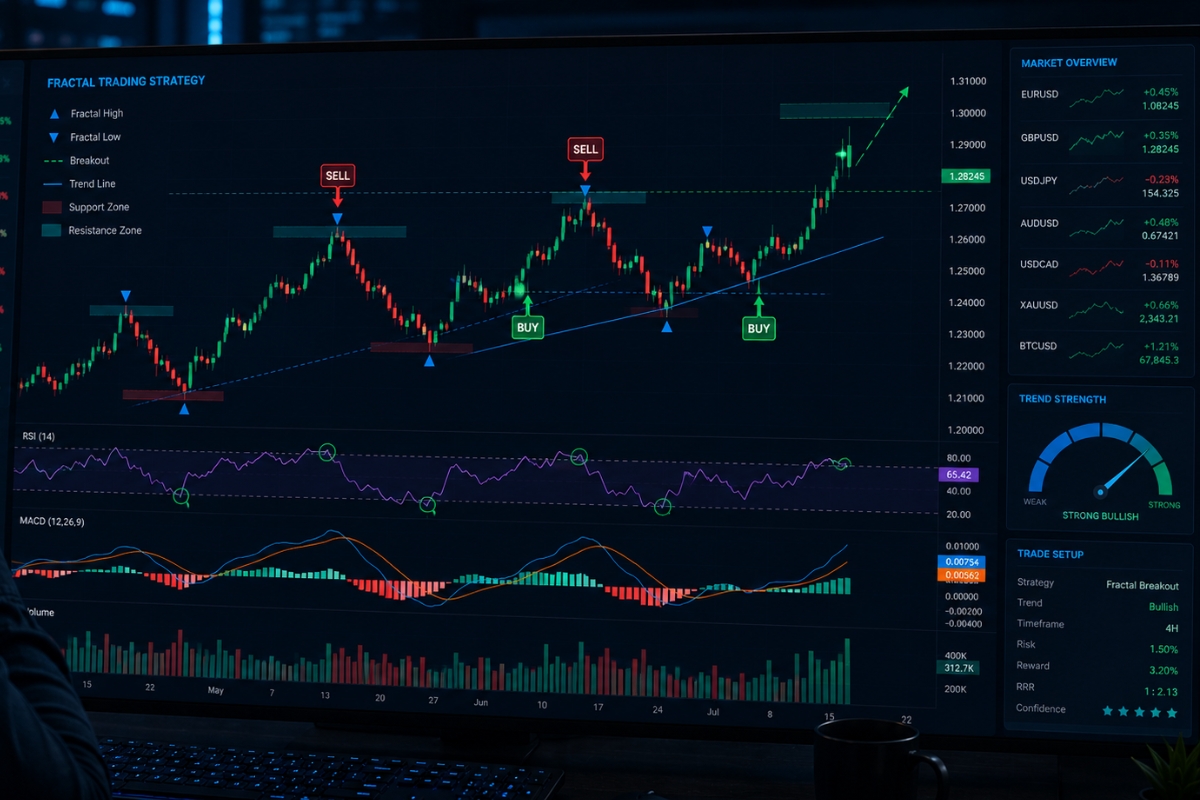
Fractal Trading Strategy: Meaning, Indicators, Trading Signals
Fractal trading strategy is a method that uses repeating price patterns to identify market turning...

Alligator Indicator: Trend Phases, Signals, MT4 Settings, Strategies
Alligator Indicator is a trend-following tool that uses three moving averages to identify market direction...
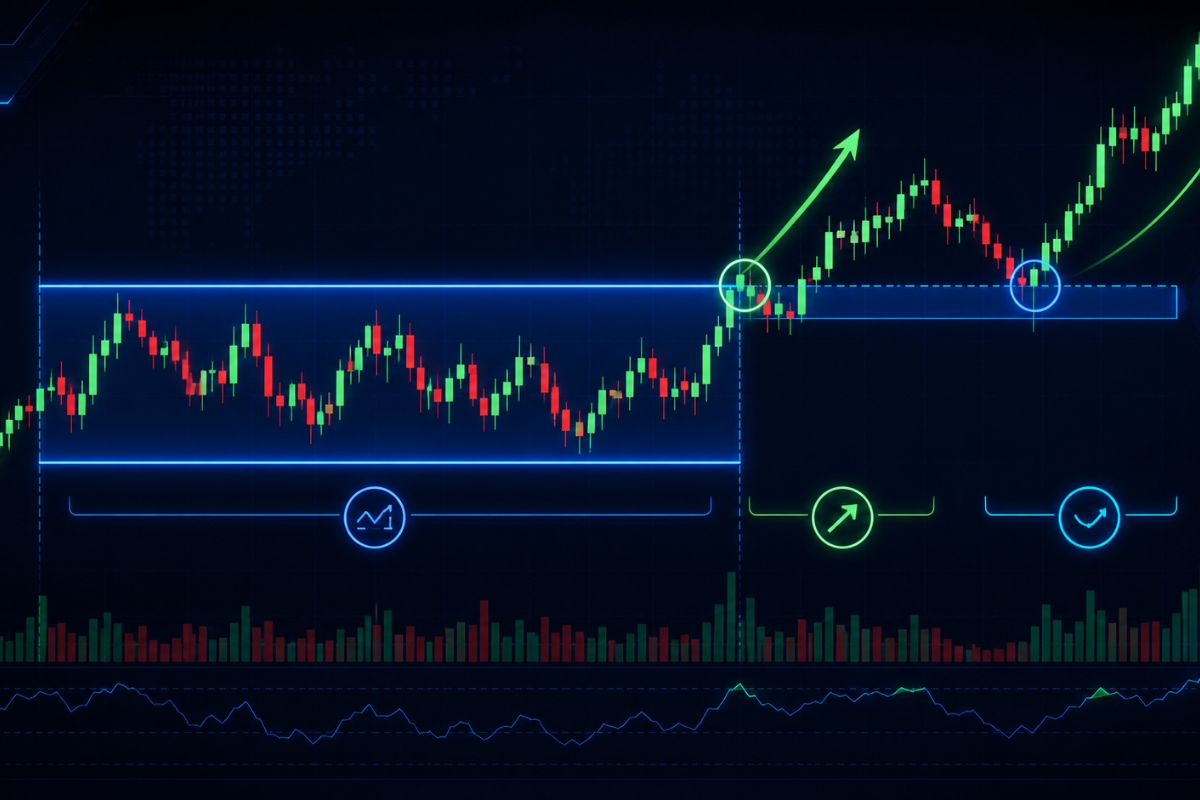
Rectangle Pattern Trading: Range, Breakout, Retest, Strategy
Rectangle pattern trading is based on price moving within a clear range between support and...