
 Tiếng Việt
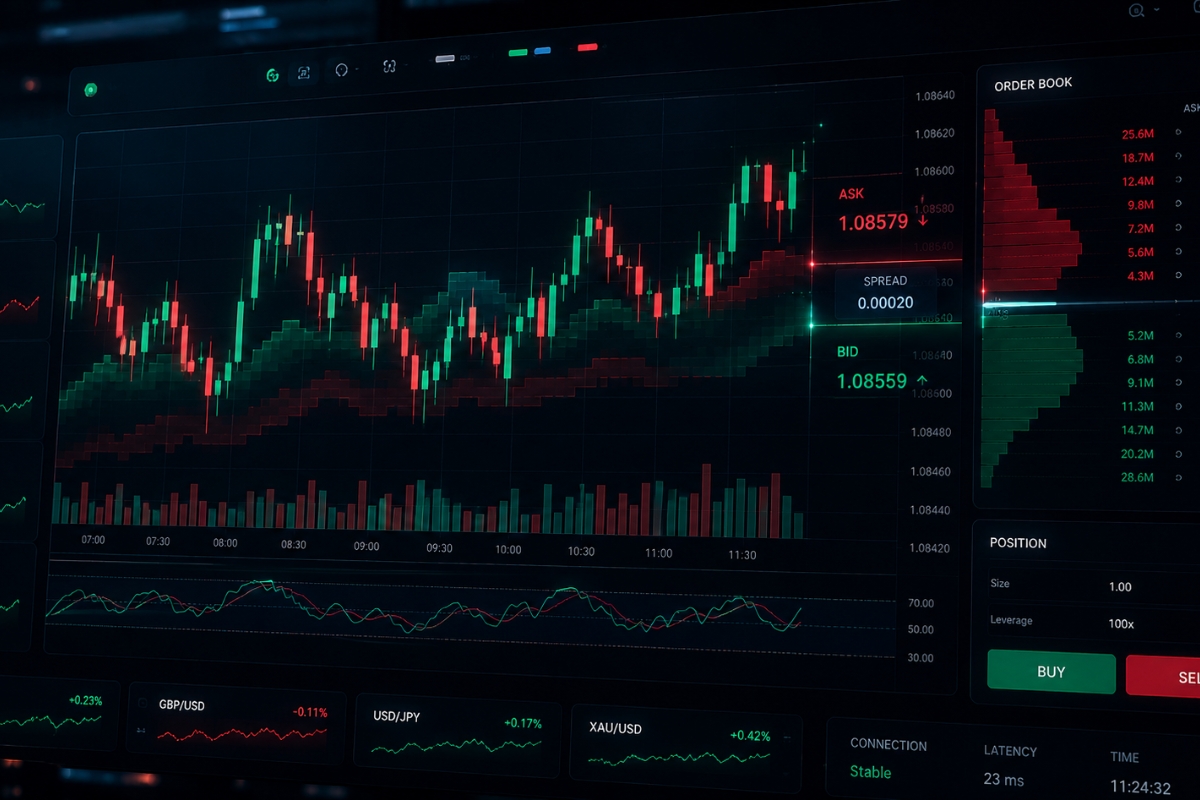
A trading quote shows the bid price, ask price, and spread of an asset in real time, helping traders understand current market value and execute trades accurately.
However, the bid price represents the highest price buyers are willing to pay, and it determines the value you receive when placing a sell order.
Meanwhile, the ask price is the lowest price sellers are willing to accept, meaning all buy orders are executed at this higher price level.
The spread is the difference between bid and ask prices, acting as the primary trading cost and directly impacting your profit potential.
Therefore, reading a trading quote means analyzing bid, ask, and spread together to make informed trading decisions and optimize entry and exit points.
In financial markets, every trade starts with a trading quote. Whether you trade forex, stocks, or other assets, understanding how to read bid, ask, and spread is essential to control costs and improve execution accuracy. We regularly update this content in our XM Guide section, providing knowledge and guidance to improve trading quality.
What is a trading quote?
A trading quote is a real-time electronic snapshot that displays the exact pricing data and available liquidity at which a financial asset can be bought or sold at that precise moment.
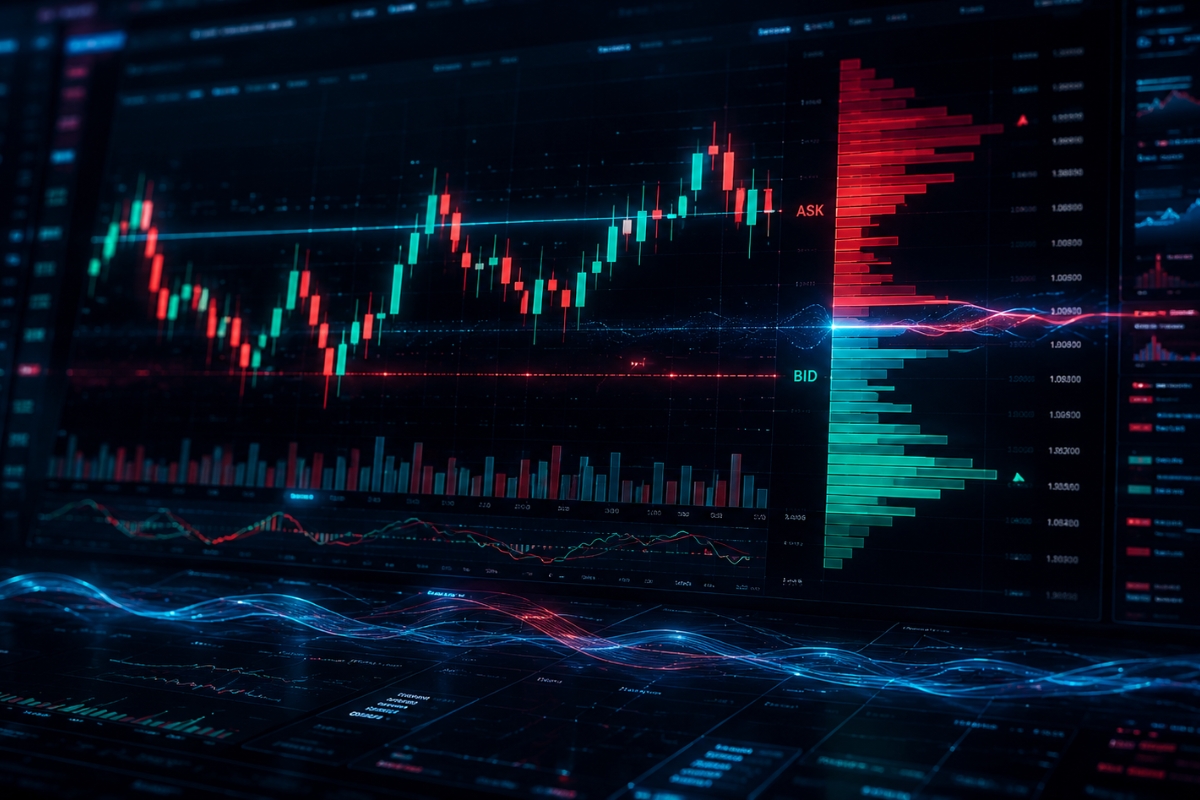
Statistically, a quote updates within milliseconds via institutional data feeds, providing two distinct prices: the Bid (selling price) and the Ask (buying price). This structural pricing mechanism ensures absolute transparency across decentralized networks like forex or centralized stock exchanges, serving as the definitive baseline that dictates your entry points, exit thresholds, and real-time account valuation on all modern charting platforms.
What information does a trading quote include?
A standard trading quote contains multiple vital data fields required to evaluate an asset’s immediate market condition.
- The Ticker Symbol: The unique identification code of the asset (e.g., EUR/USD or AAPL).
- The Bid Price: The highest current price a buyer is willing to pay for the asset.
- The Ask Price: The lowest current price a seller is willing to accept for the asset.
- The Spread: The mathematical difference between the Ask and the Bid prices.
- Market Depth (Volume): The specific quantity of shares or contracts available at those exact price tiers.
While these core fields remain constant, the way a quote is displayed changes when you transition between different financial instruments.
How does a trading quote differ across forex, stocks and options?
The structural layout of a quote alters significantly depending on the underlying asset class. In forex, a quote represents a currency pair showing how much of the quote currency is needed to buy one unit of the base currency, quoted precisely to 4 or 5 decimal places (pips). In stock trading, quotes represent a single share price in dollars and cents, accompanied by the exact number of shares available on the inside market. For options, a quote is much more complex, displaying the premium price alongside the contract’s strike price and expiration date.
Once you understand the general anatomy of a quote, you must master its two primary components, beginning with the selling value.
Bid price and how to interpret selling value?
The bid price represents the absolute highest price that buyers in the market are currently willing to pay to acquire a specific financial asset.
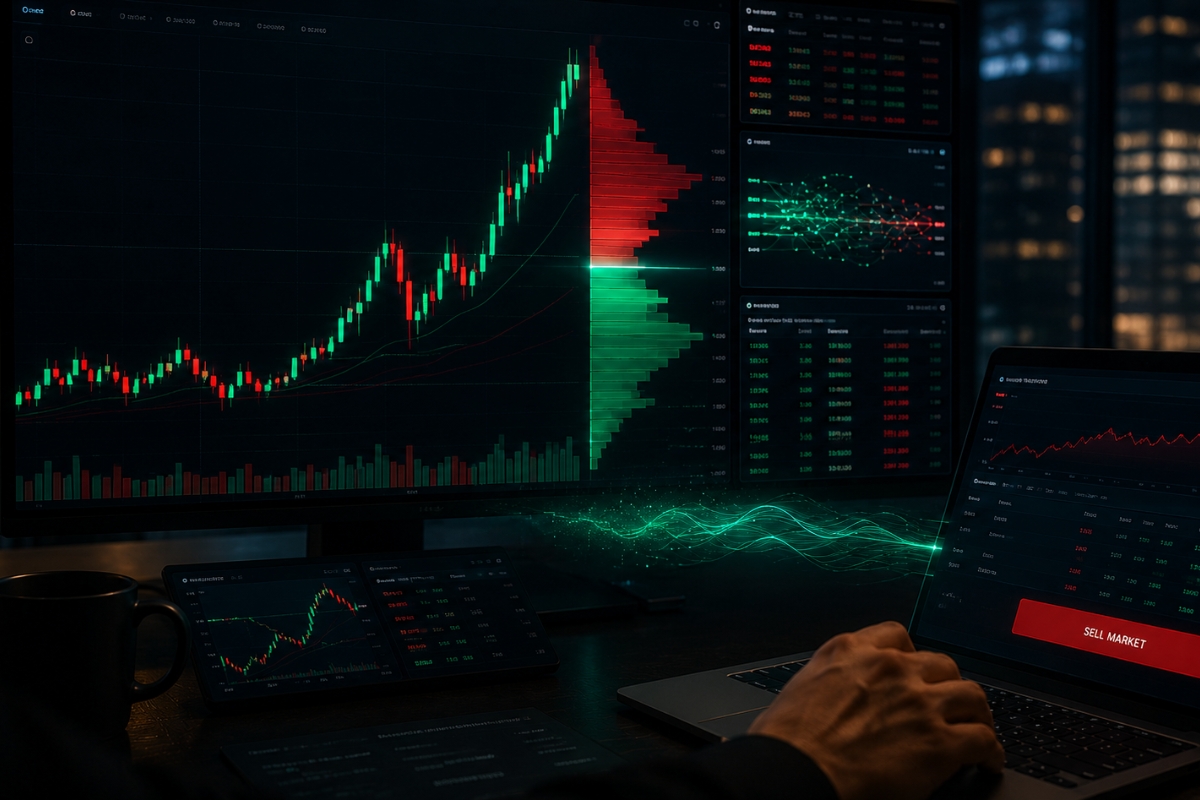
If you decide to sell an asset immediately using a market order, this is the exact price your trade will be filled at on your broker’s execution desk. The bid price directly reflects the immediate strength of market demand; when institutional buyers become highly aggressive, they push their bids higher, which causes the entire trading structure to move upward.
What does bid price mean in trading?
In active trading, the bid price represents the “wholesale” value of an asset from the perspective of a retail trader. If you hold an open long position and wish to liquidate it to lock in profits, you must sell to a buyer who is bidding for that inventory. The bid price is always listed on the left side of a traditional two-way trading quote and is mathematically lower than the ask price under all standard liquid market conditions.
Understanding this structural placement is vital because it directly dictates how your market orders interact with the order book.
How does bid price affect trade execution?
The bid price directly dictates the final execution price of all sell market orders, short-sell entries, and stop-loss triggers. When you place an immediate sell order, the broker matching engine routes your request to the highest available bid on the electronic communication network (ECN). For clients analyzing complex patterns on Forex Charts, monitoring the bid price is highly critical because a long position’s profit target will only trigger when the live bid price physically rises to touch that specific profit-taking line.
Flipping this market dynamic completely reveals the mechanics behind the buying side of the transaction.
Ask price and how to interpret buying value
The ask price (frequently referred to as the offer price) represents the absolute lowest price at which sellers are currently willing to liquidate their holdings.
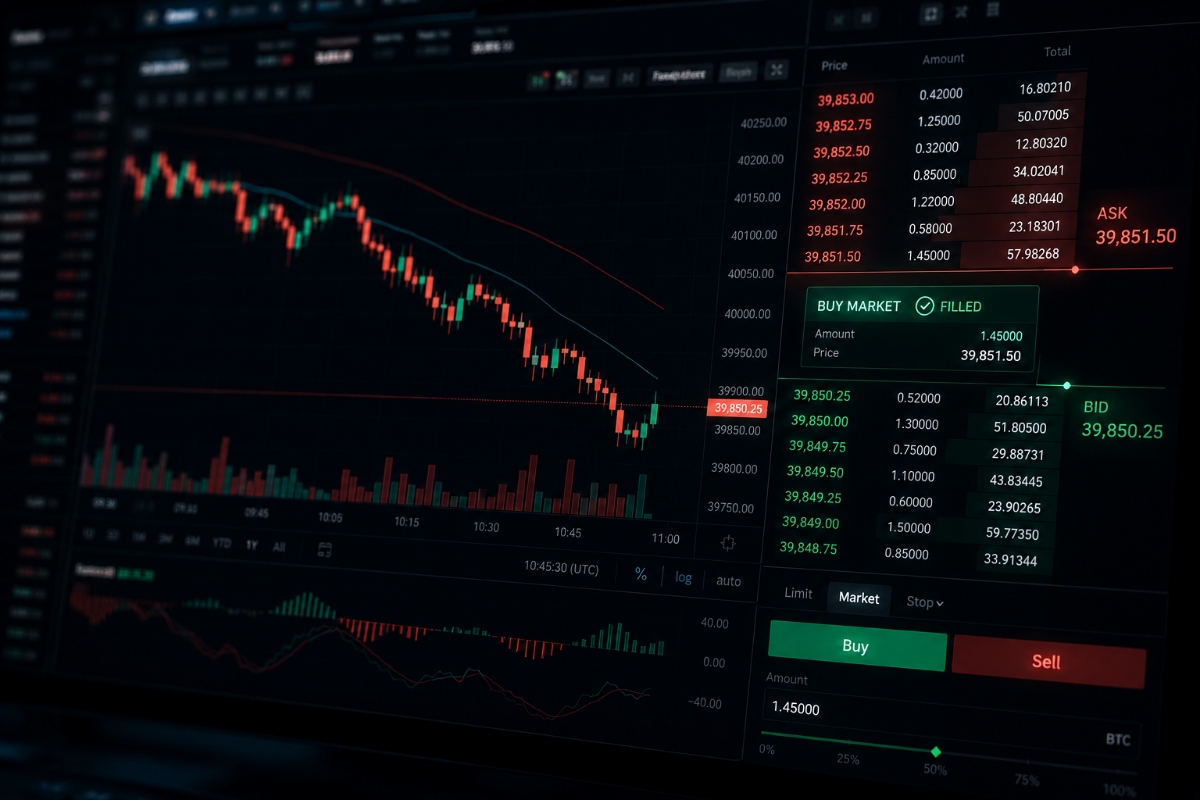
If you intend to open a long position or buy an asset immediately, the ask price is the exact entry rate your order will capture on the execution terminal. This metric serves as a direct gauge of market supply; when sellers panic or exhaust their inventory, the ask price quickly shifts downward, adjusting the entire quotation matrix to a lower valuation tier.
What does ask price mean in a trading quote?
The ask price represents the “retail” or premium price that a buyer must pay to secure an asset immediately from the available market supply. It is permanently positioned on the right side of a standard two-way financial quotation and is always higher than the matching bid price. This price represents the immediate ceiling of the market’s current trading range, serving as the benchmark for all incoming buyer demand.
Recognizing why your buy orders are bound to this higher number is an essential milestone in understanding trading psychology.
Why are buy orders executed at the ask price?
Immediate buy orders are executed at the ask price because you are actively demanding instant liquidity from the market, requiring you to accept the terms of the lowest available seller. When you place a buy market order, you cannot afford to wait for prices to come down; instead, your order matches with the closest resting sell limit order waiting on the order book. For traders utilizing the educational resources and data feeds on the MBroker, recognizing this mechanic is critical for calculating true entry execution accuracy.
The vertical gap between these two primary pricing pillars forms the single most important cost variable in day trading.
Spread explained and its impact on trading cost
The spread is the absolute mathematical difference between the ask price and the bid price of a financial asset, serving as the primary friction cost of trading.
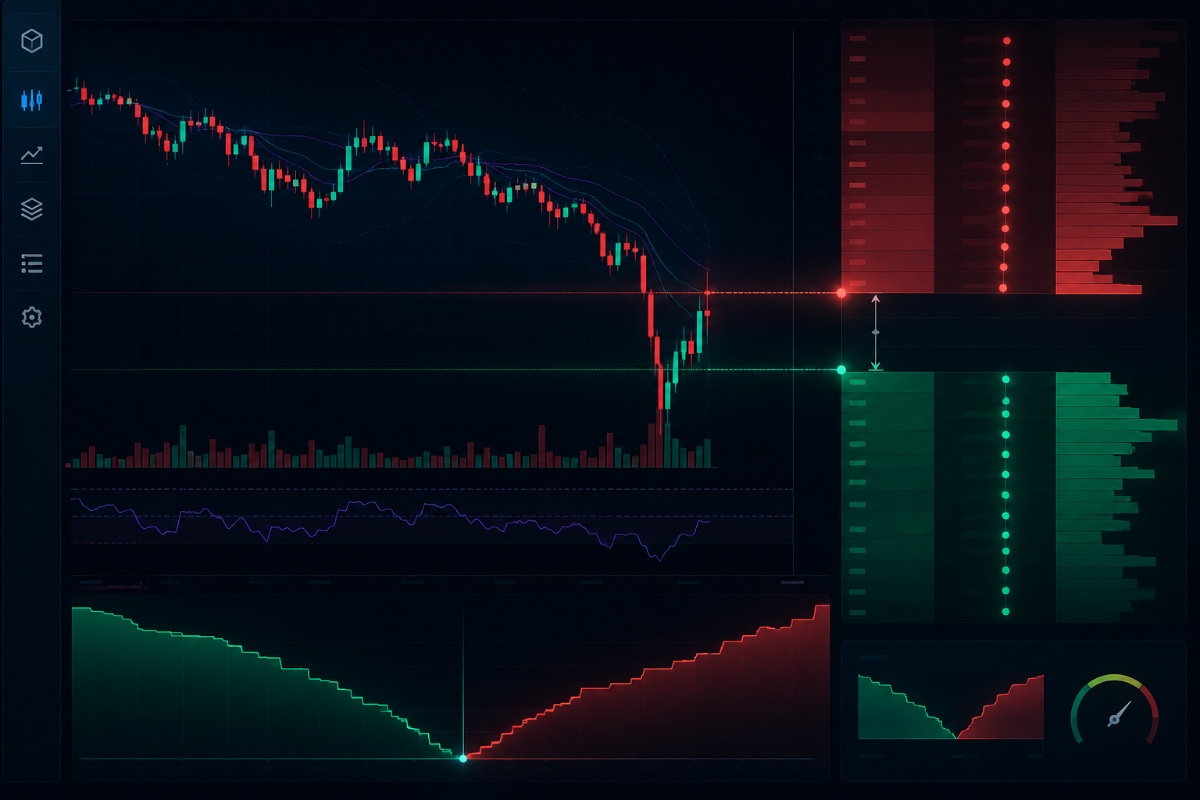
Calculated as Spread = Ask – Bid, this metric represents the immediate loss an investor incurs the exact millisecond a market position is opened. For example, if you buy an asset at the ask and immediately sell it at the bid without any price movement, the spread is the exact premium pocketed by the market maker or liquidity provider for facilitating the transaction.
What is spread in a trading quote?
In a live trading quote, the spread represents the transactional cost required to interact with that specific instrument’s order book. In forex, the spread is measured in pips (usually the 4th decimal place), whereas in stock trading, it is measured in cents. A narrow spread indicates a highly liquid, competitive market, while a wide spread signals a low-liquidity environment where transactions carry a significantly higher cost burden for retail accounts.
While some assets feature stable spreads, most modern financial markets utilize a floating spread model that reacts to real-time events.
Why does spread change in different market conditions?
Spreads fluctuate dynamically based on the volume of active orders and the broader volatility present in the financial system:
- Liquidity Distribution: During high-volume periods, thousands of limit orders cluster tightly together, compressing the spread to minimal fractions.
- Macroeconomic Releases: Ahead of high-impact news like inflation reports, institutional liquidity providers pull their orders from the book to protect their capital, causing the spread to widen significantly.
- Market Overlaps: Spreads reach their narrowest levels when major global trading sessions overlap, maximizing the number of participating buyers and sellers.
Once you comprehend the relationship between the bid, ask, and spread, the final operational step is learning to read these numbers on real-time execution terminals.
How to read a trading quote in real trading scenarios?
Reading a trading quote in real trading scenarios requires a rapid, systematic approach to ensure you execute your positions with absolute precision.
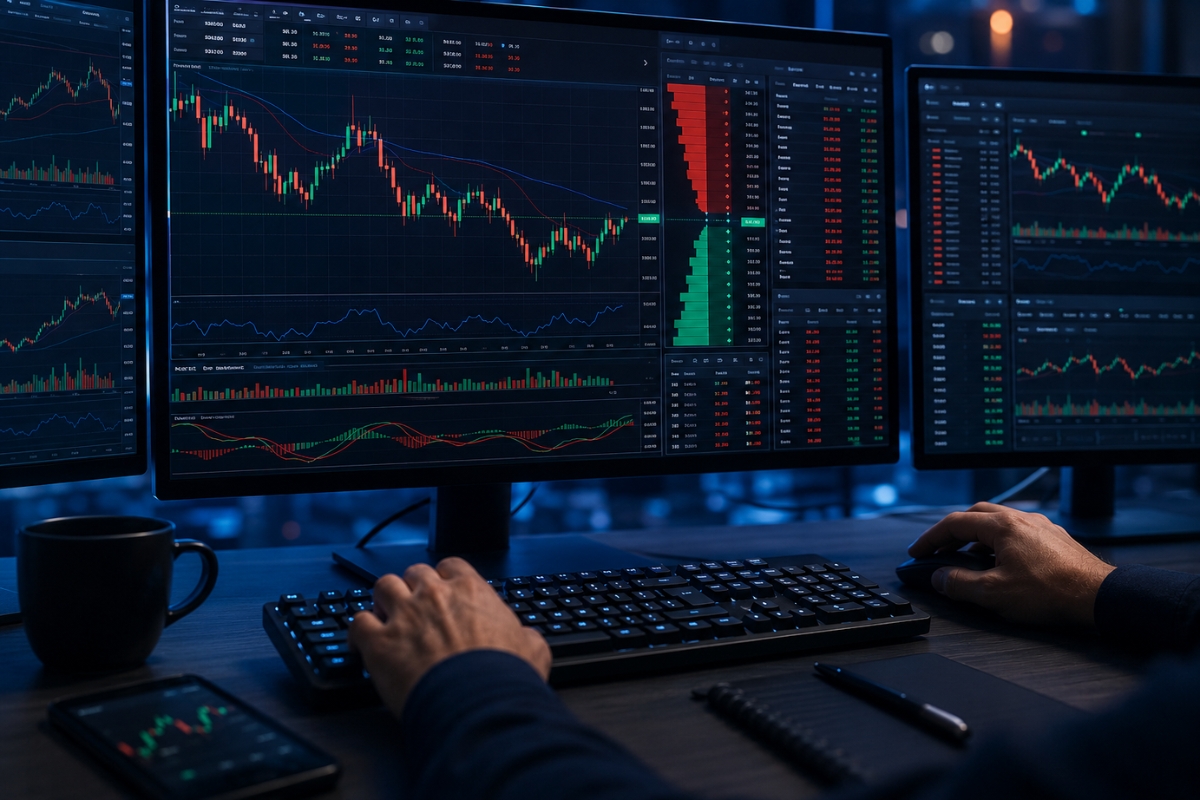
Professional traders do not guess their costs; they actively calculate their exact entries and exits based on the live quotation window before deploying any portfolio capital. By learning to scan a quote dynamically, you can easily ensure your trading strategy is executed at the best possible market rates.
How to read a forex trading quote step by step?
To accurately read a live forex trading quote, follow this definitive 5-step operational framework:
- Step 1: Identify the Base and Quote Currency: Look at the currency pair symbol (e.g., GBP/USD). The first currency (GBP) is the base currency and always equals exactly 1 unit, while the second currency (USD) is the quote currency.
- Step 2: Read the Bid Price On the Left: Examine the left-hand number (e.g., 1.3051). This tells you exactly how much USD a buyer will pay you if you choose to sell 1 GBP immediately.
- Step 3: Read the Ask Price On the Right: Examine the right-hand number (e.g., 1.3053). This tells you precisely how much USD you must pay to buy 1 GBP right now.
- Step 4: Calculate the Live Spread: Subtract the bid price from the ask price ($$1.3053 – 1.3051 = 0.000$$). This confirms that the current transactional cost of the trade is exactly 2 pips.
- Step 5: Check Your Chart Timeframe Alignment: Ensure your underlying Forex Charts are set to display the correct price feed (Bid or Ask) matching your intended order direction to prevent minor charting gaps.
Mastering this visual routine allows you to actively use quotes to optimize your broader risk and execution parameters.
How to use trading quotes to improve trading decisions?
Analyzing real-time trading quotes allows you to actively optimize your order types and protect your account from unnecessary slippage. If you notice a quote’s spread widening significantly beyond its historical average, you should defer using market orders and switch to limit orders to control your exact entry price. Furthermore, by cross-referencing your live quotes with the institutional liquidity standards and premium platform resources recommended on the MBroker, you can easily select the most cost-effective times to trade, ensuring that execution fees never erode your net profitability.
In short, mastering trading quotes is essential for controlling your transaction costs. By knowing that buying orders fill at the ask, selling orders fill at the bid, and the spread is your direct friction cost, you can eliminate execution guesswork. To track live quotes with minimal slippage and access institutional-grade charting tools, start optimizing your strategy today on the MBroker.

Thoren Vextal is a specialist in XM trading guides, offering practical insights and real-market experience to help traders improve their strategies and trading performance. Email: [email protected]